English

0 item(s)
View cart
You have no items in your shopping cart.
When you're heading into backcountry terrain, staying connected can make a real difference. Hunting satellite communicators and satellite phones help support check-ins, location sharing, SOS access, and off-grid messaging when coverage drops away.
When hunts take you into backcountry terrain, remote wilderness, or areas well beyond the nearest cell tower, relying on a mobile signal that isn't there can leave you without any way to check in, call for help, or let people know where you are. Satellite communicators are built to fill that gap and give you a reliable connection regardless of how far off the grid the trip takes you.
They are used by solo hunters, guided parties, and outfitters operating in mountain ranges, dense forest, Arctic terrain, and other remote environments where having a dependable way to share your location, send a message, or trigger an SOS can make a real difference when weather turns, plans change, or something goes wrong in the field.
In hunting environments, communication gear is often less about convenience and more about confidence. When routes change, weather turns, camp moves, or someone gets delayed, having a dependable way to send a message, share a location, or raise an SOS can add an extra layer of reassurance for both the field party and the people waiting back home.
Depending on the model, these devices can support one-way check-ins, two-way messaging, live or interval-based tracking, weather access, navigation support, and emergency response features. The best fit usually comes down to how remote the trip is, how much messaging you want, and whether you want something ultralight or more full-featured.
Some hunters want a compact device that can send a check-in message, trigger an SOS, and share a basic location without taking up much pack space. Others want two-way messaging so they can coordinate with camp, guides, landowners, or family while they are out. In more demanding terrain, larger GPS-enabled communicators can also support route finding, waypointing, and navigation alongside satellite communication.
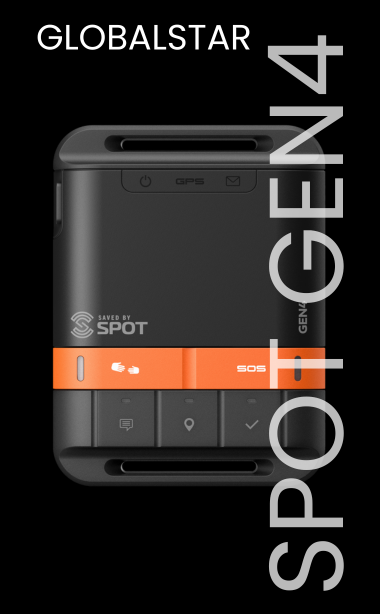
The current hunting collection reflects that spread. It includes small communicators like the Garmin inReach Mini 2 and SPOT GEN 4, more capable messaging devices like SPOT X, a premium satellite phone option in the Iridium Extreme, and larger Garmin handhelds such as the Montana 760i and GPSMAP 67i for users who want mapping and navigation depth as well as communication capability.
These featured products give you a good spread across lightweight communicators, emergency-focused messengers, and more advanced hunting-capable satellite gear. The wider collection includes additional Garmin, SPOT, and Iridium options.

A lightweight option for hunters who want satellite messaging, SOS support, and tracking without adding much bulk to their kit.

A compact emergency and check-in device aimed at users who want straightforward tracking and SOS functionality.

A step up for hunters who want two-way satellite messaging rather than simple outbound check-ins alone.

A full satellite phone option for users who want voice capability as well as rugged off-grid communication.
The best fit usually comes down to three things: how remote the trip is, how much communication you want, and whether navigation matters as much as messaging. A lightweight messenger can be ideal for simple safety coverage, while a larger handheld or sat phone may make more sense for longer trips, guided hunts, or more demanding terrain.
If you are choosing between a SPOT device, a Garmin inReach, a larger GPS handheld, or a satellite phone, this page gives you the framing while the live collection gives you the full range. From there, the team can help steer you toward the device that best matches your hunting style and communication needs.
Explore the full hunting collection or get in touch for help choosing the right communicator, handheld, or satellite phone for your trip.