English

0 item(s)
View cart
You have no items in your shopping cart.

A stolen skid steer, generator, survey trailer, or tool package creates more than a replacement cost. It can stop a job, delay a crew, disrupt insurance claims, and leave you with little information for law enforcement. A GPS tracker for equipment theft gives you a practical advantage: a last known location, movement alerts, and a faster path to recovery when every hour matters.
The best setup is not simply the smallest tracker or the one with the lowest monthly fee. It is the tracker that can keep reporting where your equipment actually operates - including job sites, storage yards, trailheads, remote utility corridors, and areas where cellular service is unreliable.
A tracker does not prevent someone from cutting a lock, loading equipment onto a trailer, or moving it overnight. What it can do is reduce the period when the asset is missing and its location is unknown. That changes the response from “we think it was taken sometime last night” to “it left the yard at 2:14 a.m. and was last reported near this location.”
For high-value equipment, that information supports a more organized response. Your team can document the event, provide location details to law enforcement, notify a recovery provider if one is part of your plan, and avoid sending employees into an unsafe situation. A tracker should support recovery, not encourage an owner or operator to confront a thief.
The most useful systems can also create an operating record before anything goes wrong. You may see where a trailer was parked, when a generator was moved, how long a machine remained at a site, or whether equipment crossed a boundary you set around a yard or work zone.
Coverage is the first decision, because GPS and communications are different functions. GPS determines location. The tracker then needs a way to send that location to you, usually through cellular or satellite service.
A cellular tracker can be a strong fit for equipment that stays in cities, developed construction areas, suburban storage lots, and highway corridors. These devices are often affordable, may report frequently, and can work well where LTE coverage is consistent. The trade-off is obvious when a thief moves equipment beyond the network footprint or stores it in an area with weak service. The tracker may still know its position but cannot deliver that position until it reconnects.
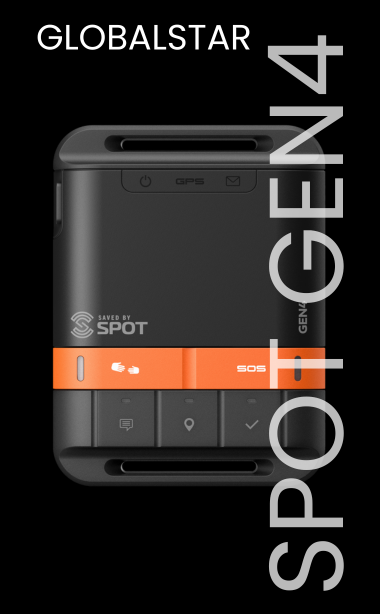
Satellite tracking is built for a different operating environment. It is a better match for equipment working across remote ranchland, forestry roads, oil and gas sites, wilderness access routes, offshore areas, or infrastructure corridors beyond dependable cell coverage. Satellite-capable trackers can provide location reporting over far wider areas, depending on the network and clear access to the sky.
That does not mean satellite is automatically the right answer for every tool trailer in town. Satellite hardware and service can cost more, and reporting behavior may be different than a high-frequency cellular device. The right choice depends on where the asset is likely to be used, where it could be taken, and how quickly you need new positions after movement begins.
Start with the asset and its real deployment conditions. A compact battery tracker may be useful for a small trailer, portable generator, or specialized tool case. A hardwired unit may be better for equipment with a reliable power source, such as a truck, excavator, utility vehicle, or boat. Some operations use both: a primary installed tracker and a concealed battery-powered backup.
The following capabilities deserve close attention:
A device with a long battery claim is not necessarily ideal if it only reports once per day. Conversely, a tracker sending frequent updates may be valuable during a theft event but require a tighter charging or maintenance schedule. There is no universal best interval. A trailer stored at a secured yard may need a different profile than a remote generator that moves between work sites every week.
A geofence is a virtual boundary around a location, such as a storage yard, job site, staging area, or permitted travel route. When an asset enters or leaves that boundary, the system can send an alert.
For theft prevention, the most effective use is usually a simple one: establish a geofence around the yard and configure an after-hours exit alert. If a machine or trailer leaves during an approved work window, the event may be normal. If it moves at 1:00 a.m. on a Sunday, the right people receive a prompt notification.
Avoid creating so many boundaries and alerts that your team starts ignoring them. Alert fatigue is a real operational problem. Begin with the events that deserve immediate attention: unauthorized movement, geofence exit, low battery, loss of external power, or a missed scheduled report from an asset that should be stationary.
A visible tracker can discourage casual theft, while a concealed tracker can preserve your ability to locate an asset after it is taken. Many equipment owners prefer concealment, especially for portable items and trailers. The unit should be placed where it has a reasonable view of the sky if satellite communication is required, where metal and machinery will not severely block its signal, and where normal inspections will not reveal it immediately.
Do not make the installation so difficult that no one can check the device, charge it, replace a battery, or confirm that it is reporting. Theft recovery depends on a tracker being active before the incident. Build a maintenance check into your existing equipment inspection process and record the tracker ID, service plan, battery status, and assigned asset.
Tracking technology works best when it is part of a documented response plan. Decide who receives alerts, who can access the tracking portal, who verifies an alert, and who contacts law enforcement. Keep serial numbers, photos, VINs, license plates, equipment identifiers, and proof of ownership in a secure place that supervisors can access after hours.
Your plan should also account for false alarms. An authorized employee may move a trailer unexpectedly, a battery may run low, or a device may temporarily lose communication inside a metal building. Verify the alert through your dispatch process or site contact when possible, but do not delay reporting a credible theft event while waiting for perfect information.
For fleets and distributed teams, role-based access is useful. A project manager may only need visibility into equipment assigned to one job. A security manager or operations lead may need access to every tracked asset and the ability to change alert settings. Clear permissions reduce confusion when a real event occurs.
The tracker is only one part of the system. Ongoing service determines how often it reports, which alerts are available, whether international or remote coverage applies, and what your recurring cost will be. Before selecting a plan, estimate the number of assets, expected reporting frequency, seasonal use, and whether the equipment will travel beyond cellular coverage.
Purchase versus rental can also matter. A permanent installation is typically the practical choice for owned equipment that needs year-round protection. Rental may make more sense for a temporary remote project, a seasonal deployment, a special event, or a short-term operation where tracking is required for accountability. The right arrangement should match the duration and risk of the work, not force a long-term commitment onto a brief assignment.
Outfitter Satellite can help teams compare satellite and cellular tracking options based on location, equipment type, reporting needs, and service requirements. That kind of planning is especially valuable when the equipment may operate far from dependable infrastructure.
Equipment theft rarely happens at a convenient time. The value of a tracking system comes from preparation: appropriate coverage, a charged or powered device, meaningful alerts, current account access, and a response process your team understands.
Choose the tracker around the places your equipment can disappear, not only the places it normally works. That decision gives your crew better visibility when a routine workday turns into a recovery situation.