English

0 item(s)
View cart
You have no items in your shopping cart.

A phone that shows no cellular service is not necessarily a communication dead end. With the right device, network, and airtime plan, satellite SIM cards can keep a field crew reachable, give a solo traveler a reliable voice line, or provide a vessel with a backup communications path far from shore. The key is matching the SIM to a compatible satellite device and the conditions where it will actually be used.
Unlike a standard mobile SIM, a satellite SIM is part of a complete communications system. It does not turn an ordinary smartphone into a satellite phone. It authorizes a specific compatible device to access a satellite network for voice, text, data, tracking, or a combination of services. That distinction matters when communication is tied to safety, operational accountability, or emergency response.
A satellite SIM card identifies the subscriber on a satellite network and connects that account to an airtime plan. Depending on the device and network, the plan may support calling, SMS, low-speed data, location reporting, or device-specific services such as two-way messaging and SOS monitoring.
For a satellite phone, the SIM typically assigns a satellite phone number and enables prepaid or monthly service. For a tracker, the subscription may enable scheduled check-ins, breadcrumb location reports, geofencing, and message delivery. Some systems use an embedded or network-specific activation rather than a removable SIM, but the planning questions are the same: Which network is available, what services are needed, and what will usage cost over the deployment period?
The SIM itself is only one piece of readiness. The device needs a charged battery, a clear enough view of the sky, current firmware when applicable, and a properly activated account. Teams should test every unit before leaving cellular coverage, not after a vehicle is stranded or a worker misses a check-in.
The best satellite SIM is not simply the one with the lowest monthly price. Network coverage, handset compatibility, calling requirements, and terrain all influence the right choice.
Iridium service is widely selected for global operations because its satellite constellation supports coverage across oceans, polar regions, and remote land areas. It is a practical option for expeditions, offshore work, aviation support, high-latitude travel, and organizations that need a consistent solution across multiple countries.
Inmarsat is often a strong fit for users operating in much of the world who can work with a geostationary satellite connection. Its devices generally need a more deliberate view toward the satellite, especially in northern locations or around terrain and tall structures. For many maritime, mobile, and fixed-site applications, that is an acceptable trade-off.
Thuraya can be a cost-effective option within its regional footprint, but it is not a global network. Coverage planning is essential for international travel. Globalstar availability also depends on region and service type, making it important to verify the intended operating area before committing to a plan.
A device and SIM must belong to the same supported ecosystem. An Iridium SIM will not operate in an Inmarsat phone, and a tracker subscription will not provide calling service on a satellite handset. This sounds basic, but it is one of the most common causes of field deployment problems, especially when organizations inherit equipment from prior projects or purchase used devices.
A coverage map shows where a network is designed to provide service. It does not guarantee a signal at every moment or in every location. Dense tree canopy, canyon walls, vehicle roofs, cabin interiors, metal structures, and heavy weather can affect performance.
Satellite phones generally work best outdoors with a clear view of the sky and the antenna correctly oriented for the network. A user standing beside a truck may need to step away from the vehicle. A crew working inside a steel-sided building may need an external antenna or docking solution. For fixed installations, vessels, and fleet vehicles, an antenna system can make the difference between occasional access and dependable daily communications.
Airtime plans usually fall into two practical categories: prepaid service and recurring monthly service. The right choice depends on how often the equipment will be used and whether the team needs an always-active communications path.
Prepaid satellite airtime can work well for a hunting trip, seasonal field assignment, short expedition, disaster deployment, or backup phone stored with emergency equipment. It gives users a defined block of minutes or credits, often with a validity period. The trade-off is that unused credits may expire, and a depleted balance can leave a device unable to make a call when it matters most.
Monthly plans are often better for lone-worker programs, remote construction sites, vessels, utility crews, and organizations with year-round accountability requirements. A recurring plan can provide stable service, predictable billing, and access to a number that remains active. Some plans include a monthly allowance, while others are structured around minimum commitments and usage charges.
Before selecting a plan, estimate real usage rather than ideal usage. Consider routine check-in calls, emergency reserve minutes, coordination during weather delays, inbound calls from the home office, and test calls. A phone used only for a five-minute weekly check-in has very different needs from one supporting a field supervisor coordinating multiple crews.
Also review the details that affect the final cost: activation fees, SIM validity, monthly minimums, incoming call charges, voicemail, data rates, plan suspension policies, and international calling. Satellite airtime is specialized service. The least expensive plan on paper is not always the lowest-cost option once the mission is underway.
Activation should be completed well ahead of travel. Depending on the network and plan, activation may take time, require account information, or need to be aligned with a start date. Waiting until the day of departure creates unnecessary risk.
After activation, place a test call outdoors. Send and receive a text if the plan supports it. Confirm the phone number, save key contacts in international dialing format, and make sure every user knows how to place an emergency call. A laminated quick-reference card is useful for shared equipment, particularly when different shifts rotate through the same vehicle, vessel, or field kit.
For organizations, document which SIM is assigned to each device, user, vehicle, or asset. Record the phone number, IMEI or device identifier, plan type, activation date, and emergency contact procedures. That small amount of administration speeds troubleshooting and prevents a device from being deployed with the wrong service level.
Keep power planning in the same conversation. A fully active satellite SIM is of little help if the handset battery is dead. Bring vehicle chargers, spare batteries, solar charging options, or fixed power solutions that match the operating environment. For extended deployments, establish a charging routine alongside check-in schedules.
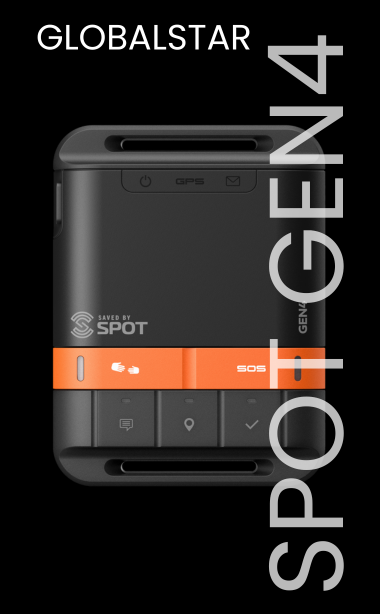
Satellite voice service is valuable, but it is not the answer to every remote-connectivity need. If the objective is simple two-way messaging, live tracking, and SOS access, a compact satellite communicator or tracker may be easier for a team to carry and manage. These devices often use their own service plans and may not use a traditional removable SIM.
If a remote office, command post, or vessel needs email, cloud access, video, or multiple connected users, a satellite internet terminal may be the more appropriate solution. Satellite internet plans are separate from satellite phone SIM plans, and they require different power, mounting, and sky-view considerations.
For critical operations, the strongest setup is often layered. A tracker can provide routine location visibility, a satellite phone can support direct voice escalation, and a fixed or mobile internet terminal can keep the command team connected. The right combination depends on consequence: what happens if a person, asset, or crew cannot communicate for an hour, a day, or longer?
The most avoidable error is buying a SIM before confirming device compatibility and coverage. The next is assuming a satellite phone works like a cellular phone under a roof, in a pocket, or from the bottom of a canyon. Clear operational expectations prevent frustration and help users trust the equipment when they need it.
Another concern is letting a prepaid plan expire between seasons. Review validity dates before a trip, not during it. If a unit is kept for emergencies, schedule periodic tests and confirm that the account remains active. Teams should also train users not to leave a call connected unnecessarily, because satellite minutes can be costly.
Finally, plan for the destination. Some countries regulate satellite devices, require prior approval, or restrict certain networks. International teams should check local rules well before travel and carry documentation for equipment when appropriate.
A satellite SIM card is a small component with an outsized role in field readiness. When the network, device, airtime, power plan, and user training are aligned, it becomes a dependable communications path when cellular infrastructure is absent or unavailable. For help selecting service for a specific phone, tracker, vessel, vehicle, or team deployment, Outfitter Satellite can help turn those requirements into a practical, tested setup before the fieldwork begins.