English

0 item(s)
View cart
You have no items in your shopping cart.

A missed check-in is not just inconvenient when someone is beyond cellular coverage. For a hunter in a remote drainage, a utility worker on a long right-of-way, or a field crew spread across a work site, it can leave the people back home or at base without a clear picture of what is happening. This SPOT X review looks at whether this dedicated two-way satellite messenger provides the visibility and emergency capability needed for real field use.
The short answer: SPOT X is a capable choice for users who want two-way messaging, location tracking, and an SOS function in a standalone device with a physical keyboard. Its strengths are practical communication and accountability at a cost that may work well for routine recreational or operational use. Its limitations are equally practical: coverage depends on the Globalstar satellite network and a clear view of the sky, and it is not a replacement for a voice satellite phone when a live conversation is the priority.
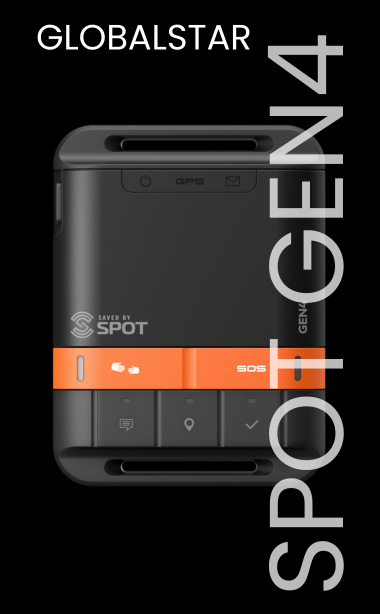
SPOT X is a handheld satellite messenger designed to send and receive short messages outside cellular range. It can share GPS coordinates, send preset check-ins, run tracking at selected intervals, and initiate an SOS with location information. Unlike one-way messengers, it allows recipients to respond, which changes how useful the device can be during a delay, route change, mechanical problem, or developing medical concern.
The built-in QWERTY keyboard is the defining feature. A user can type a message directly on the device without relying on a smartphone battery, app connection, or touchscreen that may be difficult to operate with gloves. Messages can be sent to mobile phone numbers or email addresses, subject to service plan features and normal satellite delivery conditions.
For organizations, the value is less about sending casual messages and more about maintaining an operating picture. A supervisor can receive regular location updates from a lone worker. A family contact can see that an overdue hunter has checked in and is moving. A remote team can report a change in destination without waiting to reach a highway or a cellular dead zone.
The SPOT X makes the most sense when a person needs to be reachable but does not need to have a full conversation. A typed two-way message is enough for many common field situations: “Delayed by weather, camped at waypoint,” “Truck has a flat, no injuries,” or “Arrived at site and beginning inspection.” That information can prevent unnecessary concern and help the receiving party make a better decision.
Many satellite communicators work best when paired with a phone. That can be perfectly workable, but it adds another device, another battery level, and another possible point of failure. SPOT X can operate on its own. For customers who want a messenger in a vehicle, emergency kit, vessel grab bag, or employee issue kit, that independence is valuable.
The keyboard also has an operational advantage over composing every message through a companion app. It is not as fast as a smartphone keyboard, but it is there when a phone is dead, damaged, cold-soaked, or simply unavailable. Users who expect to exchange more than occasional preset messages should consider that difference carefully.
Tracking is one of the strongest reasons to carry a device like SPOT X. Depending on the plan and settings, the device can transmit location points at defined intervals so designated contacts can follow progress. For a solo backpacker, that creates a documented route and a last-known-location trail. For a work program, it can support check-in procedures, trip oversight, and a faster starting point if a person fails to report as expected.
Tracking is not a substitute for a written travel plan or a formal lone-worker policy. It is one layer in a broader safety process. Teams still need defined check-in times, escalation contacts, response responsibilities, and training on when to use SOS versus routine messaging.
The SOS button is designed for situations involving grave or imminent danger where emergency assistance is needed. When activated, the device transmits the user’s location through the emergency response process and supports two-way communication when conditions allow. That back-and-forth can help responders understand whether the issue is injury, exposure, a vehicle rollover, a medical event, or another emergency.
No satellite messenger makes rescue automatic. Terrain, weather, local resources, jurisdiction, and the accuracy of the information provided all affect response time. The user should remain prepared to stabilize the situation, protect against exposure, and conserve battery power while waiting for help. Still, the ability to send an SOS and explain the emergency is a meaningful safety advantage over carrying no off-grid communications at all.
SPOT X uses the Globalstar satellite network. Before purchasing, renting, or deploying any satellite device, customers should review the current coverage map for the actual areas where they will travel or work. A device’s advertised feature list cannot overcome a poor network fit for the location.
Satellite messaging also requires a reasonably open view of the sky. Deep canyons, dense timber, steep terrain, heavy obstructions, and indoor use can delay or prevent a message from being delivered. The practical habit is to stop in an open area, hold or place the unit with a clear sky view, send the message, and wait for confirmation rather than assuming every transmission went through instantly.
This is where expectations matter. SPOT X is not designed to feel like cellular texting. A message may take several minutes, and delivery can be delayed by satellite geometry or obstructions. For non-emergency use, users should send updates early rather than waiting until they are already in a poor location or on the edge of a deadline.
SPOT X has a clear purpose, but it is not the right device for every off-grid user. Its physical keyboard and self-contained design make it larger and more utilitarian than compact satellite messengers built around smartphone pairing. Someone traveling ultralight may prefer a smaller communicator, particularly if they are comfortable using their phone for message composition.
It also does not provide satellite voice calling. If a crew needs to coordinate an evacuation, speak with medical support, manage a changing marine situation, or handle complex logistics in real time, a satellite phone may be the better primary tool. In some deployments, the best answer is both: a messenger for routine tracking and check-ins, plus a voice device for key personnel or emergency escalation.
Service cost deserves attention as well. SPOT X requires an active service plan, and plan structure can affect the available tracking intervals, messaging allowance, and annual or monthly commitment. The lowest-cost plan is not always the right plan if a team needs frequent location reporting. Compare the anticipated number of messages, expected trip length, desired tracking rate, and the number of deployed units before selecting service.
Battery performance will vary with tracking frequency, message volume, temperature, and time spent trying to acquire a satellite signal. Charge the device before departure, carry an appropriate power source for extended work, and test the equipment before the trip. A satellite communicator packed away unactivated or unfamiliar to its user offers very little protection.
SPOT X is a strong fit for backcountry users who want a standalone two-way messenger, especially those who regularly travel beyond cellular coverage and want family or trip contacts to receive track points and meaningful updates. It also fits hunters, overland travelers, remote property owners, boaters operating within supported coverage, and expedition groups that need a simple shared communications procedure.
For professional users, it can work well for personnel who need periodic accountability rather than constant voice contact. Think field researchers, contractors, inspectors, conservation crews, and lone workers operating on roads, trails, or dispersed sites. The physical interface can be particularly useful for organizations that do not want safety communication to depend on each employee’s personal phone.
It may be less suitable for users needing worldwide or polar coverage, continuous conversational support, high-volume data, or voice service. Those requirements point toward a different satellite network or device category. Selecting communications equipment should begin with coverage and mission requirements, not the device that happens to be most familiar.
A proper deployment starts at home or at the office. Activate the service, assign emergency and routine contacts, create clear preset messages, and make sure each recipient knows what those messages mean. For example, a “safe at camp” check-in and a “delayed but not emergency” message should prompt very different reactions.
Run a test in an open area. Confirm that messages arrive, tracking appears as expected, and the people responsible for monitoring the device know how to respond. For work teams, document who reviews missed check-ins and when a manager escalates from text outreach to local response resources.
SPOT X is most valuable when it is part of a practiced plan, not a last-minute purchase before a remote trip. If you need help matching coverage, service structure, and equipment to your route or field operation, an Outfitter Satellite specialist can help you build a communications setup that supports the way you actually work and travel.