English

0 item(s)
View cart
You have no items in your shopping cart.
Asset satellite trackers help you keep eyes on critical equipment and infrastructure in the field, with location updates, movement alerts, and dependable reporting where terrestrial networks are limited or unavailable.
When assets move between job sites, sit in isolated storage yards, travel offshore, or operate in remote terrain, relying on cellular-only visibility can leave gaps. Asset satellite trackers are built to close those gaps and give you a clearer picture of where critical equipment is, whether it has moved, and when attention may be needed.
They are used across utilities, transport, marine operations, construction, agriculture, field services, and remote infrastructure projects where better visibility can support planning, reduce uncertainty, and help teams respond faster when assets move unexpectedly or fail to report as expected.
The main appeal is simple: satellite asset trackers will report from areas where normal coverage can become unreliable or doesn't exist, which makes them useful for unattended equipment, mobile assets, and installations that may spend long periods away from towns, depots, ports, and main transport corridors.
Depending on the device and setup, they can support location visibility, movement monitoring, routine reporting, and better oversight of equipment spread across multiple sites or routes, without needing a human physically present to check in every time.
Asset trackers are commonly used for trailers, containers, generators, pumps, remote tanks, utility infrastructure, marine equipment, and mobile support assets that operate well beyond dependable terrestrial coverage. They also suit mixed fleets where some equipment stays fixed while other assets move regularly between remote locations.
For some organizations, the priority is theft deterrence and movement awareness. For others it is routine oversight of equipment that may sit unattended for weeks at a time. The best-fit hardware usually depends on how often updates are needed, what power source is available, and whether the tracker is being attached to something mobile, fixed, temporary, or permanent.
Different deployments call for different hardware, from compact movement-alert devices through to longer-term solar-powered tracking options.

A solar-powered option for longer-term deployments where low maintenance and wide-area coverage are priorities.

A practical tracker for fixed and mobile asset monitoring, suited to trailers, containers, and equipment in the field.

A solar-ready remote tracking solution for installations where power efficiency and longer unattended operation matter.

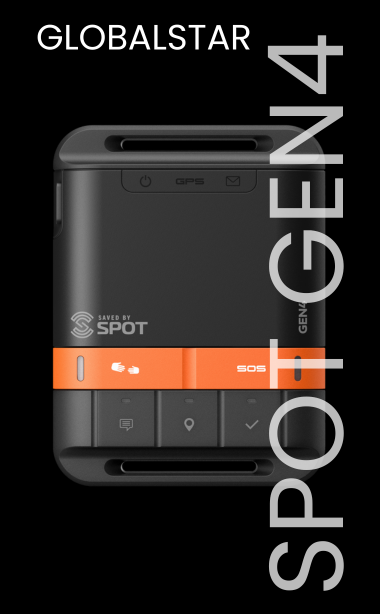
A compact movement-alert and location-tracking option for smaller assets that still need dependable visibility.
The best fit usually comes down to asset type, reporting expectations, install environment, and power availability. Some deployments need movement alerts and straightforward location visibility, while others need longer-term reporting on fixed infrastructure with minimal maintenance.
If you're comparing options for trailers, containers, utility infrastructure, marine equipment, or remote field assets, we can help point you toward a solution that suits your deployment rather than forcing a generic recommendation.
Browse the live collection or speak with the team about your application, reporting needs, and deployment environment.