English

0 item(s)
View cart
You have no items in your shopping cart.
A container can leave a yard with a clean handoff record and still become a blind spot before the next scan. That is where the best container tracking devices earn their place: they provide independent location, movement, and condition data when carrier updates, port scans, or cellular coverage are not enough.
For remote cargo, the right device is not simply the one with the longest specification sheet. It must report through the coverage your route actually uses, survive long dwell times and rough handling, and deliver alerts that a dispatcher or security team can act on. A tracker that works well for a trailer moving across the continental US may be the wrong choice for an ocean container, a high-value equipment shipment, or a refrigerated load headed through remote territory.
Container tracking starts with the physical environment. Steel walls can weaken GPS and satellite signals. Containers are stacked, moved by cranes, exposed to salt spray, vibration, heat, and extended periods without a practical charging source. A dependable deployment accounts for those conditions before the shipment leaves.
Location reporting is only one requirement. For many operations, the most useful event is a change in status: an unexpected door opening, motion outside an approved geofence, a prolonged stop, a shock event, or a temperature excursion. The tracker and its reporting platform should turn those events into clear alerts rather than a stream of location points that no one has time to review.
Battery strategy matters just as much. A device reporting once or twice a day can operate far longer than one set to transmit every few minutes. Higher reporting frequency improves recovery and route visibility, but it raises airtime use and shortens battery life. The best reporting schedule is usually based on shipment phase: lower frequency at sea, more frequent updates near arrival, during customs holds, or when theft exposure is elevated.
Cellular trackers are often a practical choice for domestic shipments that remain near population centers. They can provide frequent, cost-effective reports where LTE coverage is dependable. Their limitation is predictable: when the container enters remote terrain, crosses a border, travels offshore, or sits in a low-coverage yard, the reporting chain can break.
Satellite container trackers are built for the gaps. Networks such as Iridium and Globalstar can support tracking beyond terrestrial cellular coverage, making them particularly valuable for ocean routes, remote job sites, disaster-response logistics, and long overland corridors. Satellite reporting typically costs more per message and may deliver fewer updates than cellular, but it provides the coverage resilience many operations need.
Hybrid devices use cellular when it is available and satellite when it is not. For globally moving cargo, this can be the most balanced approach. The trade-off is greater device and service complexity. Before deployment, confirm how the device changes networks, what data is sent through each connection, and whether the platform presents a single uninterrupted trip history.
There is no single best device for every container. The strongest choice depends on what you are protecting, where it travels, how long it will be deployed, and who needs to respond to an alert.
For containers that move through ocean ports, remote regions, or areas with uncertain infrastructure, a purpose-built satellite asset tracker is usually the right starting point. Look for a device with a long-life internal battery or a renewable power option, configurable reporting intervals, location-on-demand capability, and a durable enclosure suited to outdoor mounting.
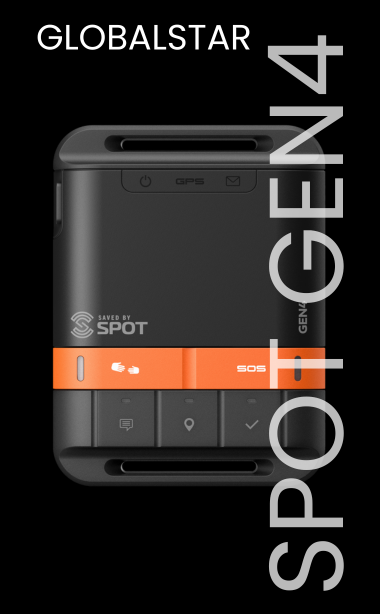
Iridium-based asset trackers are a strong fit when truly global coverage is the priority, including polar and offshore areas. Globalstar-based tracking can be a capable option for routes that remain within its coverage footprint and need an efficient satellite reporting solution. Network selection should be made against your actual lane map, not a general coverage assumption.
Mounting is part of the decision. If a tracker needs clear access to the sky, placing it deep inside a steel container will compromise results. Exterior mounting, a placement designed around an antenna window, or a device specifically engineered for container use may be necessary. Secure the unit where it is protected from forklifts and handling damage while still able to acquire GPS and send messages reliably.
High-value cargo needs more than periodic location checks. A recovery-focused tracker should support geofences, unauthorized-motion alerts, tilt or tamper detection where appropriate, and an escalation plan for the people receiving those alerts.
Concealment can help, but it is not the entire security strategy. A hidden tracker that cannot communicate through the container is not useful when an incident occurs. The right solution balances discreet placement with antenna performance, battery duration, and the ability to increase reporting frequency once suspicious movement begins.
For these shipments, establish alert ownership before dispatch. Decide who receives an after-hours notification, how they validate an alert, and when they contact site security, law enforcement, or the freight partner. Technology improves recovery only when the response process is ready.
Containers can wait weeks in a port, staging area, laydown yard, or remote worksite. For these deployments, choose a device designed for low-power operation and long intervals between reports. Battery claims should always be evaluated against the actual reporting plan, temperature range, GPS acquisition conditions, and number of alert events expected.
Solar-powered trackers can extend deployment life significantly when the installation location receives consistent sunlight. They are well suited to equipment containers, intermodal yards, and repeat-use assets. They are less useful when the device is covered, stacked, stored indoors, or mounted where the panel will be shaded for much of the trip.
A location-only tracker cannot tell you whether a temperature-controlled shipment remained within range. Reefer containers, pharmaceuticals, food products, chemicals, and sensitive electronics may require temperature, humidity, light, door, or shock monitoring alongside location reporting.
Choose sensors based on the exposure that creates the most operational risk. Temperature monitoring should include the appropriate measurement range, logging interval, and alert thresholds. Door and light sensors can help identify access events. Shock and tilt data can support damage investigations, though teams should set realistic thresholds to avoid false alarms from normal handling.
Keep in mind that condition data is only useful if the sensor placement reflects the cargo environment. A sensor near a container wall may not represent the temperature at the center of a palletized load. For compliance-sensitive shipments, define the monitoring plan with the shipper, carrier, and quality team before loading.
A tracking device and its airtime plan should be selected together. Start with the route, expected duration, border crossings, ocean legs, and planned storage locations. Then define what an exception looks like for that shipment.
For a standard domestic container, two scheduled reports per day and motion-based alerts may provide sufficient visibility. For a high-value shipment, more frequent reports during transit and immediate alerts outside approved corridors may be justified. For an ocean crossing, one scheduled daily report may be the practical balance until the container nears its destination.
Also confirm whether your team needs a web-based map, automated email or text alerts, data exports, API access, or integration with a transportation management system. Enterprise visibility programs often fail not because the tracker is inadequate, but because the data arrives in a separate platform that nobody owns.
Buying makes sense for recurring lanes, reusable containers, and long-term fleet visibility. It gives your team time to standardize mounting, training, alert rules, and service plans. Rental can be a smarter approach for a one-time remote project, a seasonal surge, an expedition shipment, or a proof-of-concept before a broader rollout.
Before ordering, document the container type, travel route, expected deployment length, mounting location, reporting frequency, and sensor requirements. Those details make it much easier to match the equipment and airtime plan to the mission. Outfitter Satellite can help teams compare satellite tracking options and prepare a deployment that fits their actual coverage and reporting needs.
The right tracker gives you more than a dot on a map. It gives your team a dependable way to verify movement, recognize exceptions early, and make a confident decision while there is still time to act.