English

0 item(s)
View cart
You have no items in your shopping cart.
A satellite phone emergency preparedness kit is not simply a handset placed in a go-bag. It is a working communication system: activated, powered, tested, protected from the environment, and supported by people who know how to reach you. When cellular towers are down, a trailhead is beyond coverage, or a field team is hours from the nearest road, those details determine whether a call for help gets through.
For some users, that kit supports a weekend hunting trip, a bluewater passage, or a cross-country overland route. For others, it is part of a lone-worker plan, utility response cache, field-research deployment, or disaster continuity program. The equipment may differ, but the operating principle is the same: prepare the system before conditions turn difficult.
A satellite phone is the voice component of your emergency plan, but no single network is ideal for every location or operating environment. Coverage area, terrain, deployment duration, calling needs, and budget should guide the decision.
Iridium devices are a common choice for global travel and high-latitude operations because the network is designed for worldwide coverage. That makes them practical for remote Alaska, offshore work, international expeditions, and mobile teams that cannot limit their work to one region. Inmarsat can be a strong fit for many maritime, field, and fixed-location applications, particularly where the user can maintain a clear view toward the appropriate part of the sky. Regional networks may also make sense when their coverage footprint matches the assignment.
Terrain still matters. A satellite phone needs a view of the sky, and a steep canyon, heavy forest canopy, vehicle roof, building, or cliff wall can interfere with a connection. Do not assume the phone will work from inside a tent, cab, shelter, or boat cabin. Plan to step into an open area or use an approved external antenna, docking station, or fixed installation when the job requires reliable access from a vehicle, vessel, or building.
A phone is the right primary device when a two-way voice conversation could change the outcome. Calling a spouse, dispatcher, physician, local emergency authority, or air support provider allows both sides to clarify location, injuries, weather, resources, and next actions. A personal locator beacon or satellite messenger can be an excellent companion, but it does not replace voice communication in every scenario.
Build the kit around the mission rather than a generic packing list. A two-day hike requires a lighter setup than a 14-day remote survey project. A hurricane readiness kit may remain stored for months, while a mining crew may use the phone every shift. In either case, the following components deserve deliberate attention:
For organizations, label each kit with the assigned user, phone number, network, SIM number, plan details, equipment serial number, and inspection date. That basic accountability reduces handoff errors and makes it easier to confirm which unit is deployed where.
Battery planning should account for far more than published standby time. Cold temperatures reduce battery performance. Long calls consume power quickly. Searching for a satellite signal in obstructed terrain uses energy, and a battery left in a hot vehicle can lose capacity or suffer damage.
For a short personal trip, one charged spare may be sufficient if you will have access to vehicle power. For a multiday route without reliable charging, carry more reserve power and a field-proven solar solution. Teams should calculate power around their expected call schedule, check-in windows, contingency days, and worst-case weather rather than assuming every day will provide enough sun to recharge.
Store lithium-ion batteries where they will not be crushed, soaked, or exposed to extreme heat. If you expect freezing conditions, keep a spare battery close to your body or in an insulated pocket until it is needed. A cold battery is not necessarily dead, but warming it safely can restore usable performance.
An emergency call is not the time to search for a number, explain your location from scratch, or decide who has authority to make decisions. Program priority contacts into the phone before departure and place them in a logical order. For a personal kit, that may include 911 where available, local emergency services for the area, family contacts, medical assistance, and your insurance provider. For a professional deployment, it may include dispatch, supervisor, security, medical support, aviation or marine operations, and escalation contacts.
Be realistic about emergency dialing. Satellite emergency calling procedures can differ by network, location, and country. A direct call to 911 may be appropriate in some situations, but remote users should also have the relevant local emergency number and a designated coordination contact. The most effective response may involve contacting a dispatcher or local authority that understands the terrain and can mobilize resources nearby.
Each person who carries the phone should know how to communicate a clear incident report. Start with your name, callback number, exact location, nature of the emergency, number of people involved, injuries, available supplies, weather, and immediate hazards. Coordinates should be available in the format your rescue partners use. If your team works with latitude and longitude, ensure everyone knows whether the device displays decimal degrees, degrees and decimal minutes, or another format.
An untested satellite phone is a liability, not a finished preparedness measure. Test the device after activation, before each significant deployment, and after long-term storage. Place a brief call from an area with a clear view of the sky. Confirm audio quality, outgoing calls, incoming calls, voicemail if used, battery condition, and charging performance.
Testing should also include the people and procedures around the device. Have a team member send the satellite phone a call. Verify that your check-in contact recognizes the number and knows what to do if a scheduled call is missed. If the phone is assigned to a vehicle or vessel, test it in its installed position, not just outdoors on a clear day. An antenna installation, cable route, or mounting location can affect real-world performance.
Keep firmware current when practical, but do not wait until the night before a mission to update equipment or change a plan. Make changes early enough to test them. Record the test date in the kit and replace expired or damaged accessories immediately.
A satellite phone needs protection, but it also needs to be accessible. Burying it at the bottom of a pack may keep it pristine while making it unusable when someone is injured, the weather changes, or a vehicle must be evacuated quickly. Place the kit where the designated user can reach it, and tell everyone in the group or crew where it is stored.
Waterproof cases, dry bags, and padded hard cases are useful, provided cables and batteries stay organized inside. For marine work, select protection appropriate to saltwater exposure and inspect connectors regularly. For vehicle deployments, secure the kit so it cannot become a projectile during a rollover or sudden stop.
There is also a practical trade-off between carrying the phone on your person and keeping it in a shared kit. A solo hiker should generally carry it, not leave it in a vehicle at the trailhead. A field crew may keep a primary unit with the lead and a second device in a vehicle or base camp. Redundancy should reflect the consequences of separation, not just the value of the equipment.
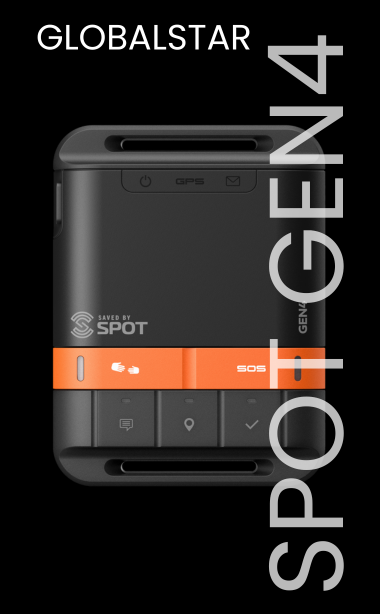
Voice is powerful, but a satellite phone should sit within a broader communication plan. A satellite messenger can provide routine tracking and low-power check-ins. A personal locator beacon offers a dedicated distress function without an airtime plan. Two-way radios can support close-range crew coordination, while a vehicle antenna or dock can improve daily access for mobile operations.
The goal is not to carry every possible device. It is to avoid a single point of failure. If the phone is lost, damaged, out of power, or unable to acquire a clear view of the sky, what is the next communication path? For enterprise teams, answer that question in writing and train to it. For personal travel, share your route, return time, and escalation plan with someone who will act if you do not check in.
A well-prepared kit creates confidence because it has been chosen for the terrain, activated for the network, powered for the duration, and tested by the people who may depend on it. If you are unsure which satellite phone, airtime plan, battery setup, or backup device fits your operation, a specialist at Outfitter Satellite can help turn a box of equipment into a field-ready communication plan.