English

0 item(s)
View cart
You have no items in your shopping cart.
When a hunter is deep in public land, a boat loses power offshore, or a lone worker is beyond cell coverage, the question is not whether a phone has a signal. It is whether help can be reached and whether anyone knows what is happening. The PLB versus satellite messenger decision comes down to the kind of emergency coverage, communication, and accountability your trip or operation requires.
Both devices are built for places where cellular service cannot be counted on. Both can provide an SOS function. But they serve different missions. A personal locator beacon is a focused, high-reliability emergency beacon. A satellite messenger is a broader communication and tracking tool that can also call for help. Choosing well means looking beyond the SOS button.
A personal locator beacon, usually called a PLB, is designed for one primary job: transmitting a distress alert when there is a grave and imminent emergency. Most PLBs transmit on the international 406 MHz distress frequency through the Cospas-Sarsat rescue system. When activated, the alert is routed to rescue authorities, with registration details helping responders identify the person and situation involved.
Many current PLBs also use GPS or other satellite positioning data to improve location accuracy. They are purpose-built devices with long battery life, durable housings, and no monthly service plan for the emergency alert function. In the United States, a PLB must be registered with NOAA. Registration is not optional paperwork to set aside - it gives rescuers critical contact and trip information when an alert is received.
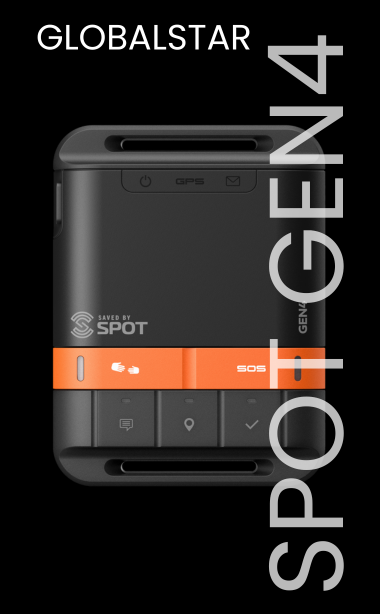
A satellite messenger uses a commercial satellite network to provide functions such as two-way messaging, location tracking, scheduled check-ins, weather information on certain models, and SOS activation. Depending on the device and plan, a user can tell a family member, dispatcher, or safety manager that they are delayed, request non-emergency assistance, share coordinates, or receive a reply.
That makes a messenger more useful during the many situations that are concerning but do not rise to the level of a life-threatening rescue. A missed turn, a mechanical issue, a weather delay, or a changed work plan can often be managed with a short message instead of an SOS.
A PLB is the right tool when emergency signaling is the only requirement and maximum simplicity matters. It is especially compelling for people who spend long periods outside coverage but do not need regular communication: backcountry hunters, hikers, paddlers, climbers, pilots, offshore boaters, and emergency kits for remote travel.
There is no airtime plan to monitor, suspend, or renew. Purchase the device, register it, learn how to deploy it, maintain it according to the manufacturer instructions, and carry it where it can be reached after an injury. For an occasional user, that ownership model can be more straightforward than maintaining a messenger subscription year-round.
PLBs are also intentionally direct. Once activated, the signal communicates a real emergency. There is no contact list to manage, no typing on a small screen, and no need for a recipient to notice a message and decide what to do next. That simplicity can be valuable when the user is injured, exhausted, wet, cold, or under pressure.
The trade-off is equally clear: a PLB generally cannot send a routine check-in, explain the nature of an injury, update a destination, or let you know that rescuers are responding. It is not a conversation device. It is an emergency lifeline.
A satellite messenger provides visibility before an emergency occurs. For a solo backpacker, that may mean sending a check-in every evening. For a field team, it may mean tracking personnel during a survey route, receiving schedule changes, and giving supervisors a way to communicate when radio and cellular systems are unavailable.
Two-way messaging is often the deciding feature. A user can report that they are stranded but safe, ask a contact to arrange a tow or pickup, communicate medical details after an SOS, or receive updated instructions. That context can reduce uncertainty for both the person in the field and the people responsible for them.
Tracking is also useful when a trip plan changes. Rather than waiting until a missed return time becomes a concern, family members or operations staff can see recent location points and distinguish a slow day from a potentially serious problem. This is particularly useful for expedition travel, remote utility work, wildlife research, endurance events, and dispersed teams.
These capabilities require more management. Most satellite messengers need an active service plan, and plan costs vary by network, message allowance, tracking interval, and optional services. Battery runtime also changes dramatically based on tracking frequency, message use, temperature, and device settings. A messenger should be tested and configured before deployment, not pulled from a glove box when conditions deteriorate.
Do not assume every satellite messenger works everywhere you travel. Commercial satellite networks have different coverage footprints, and performance can depend on terrain, tree canopy, canyons, vessel structure, and the user’s view of the sky. Some devices are built around global satellite networks, while others have regional limitations that may matter in northern latitudes, offshore areas, or international travel.
PLBs use the Cospas-Sarsat distress system, which is intended for global emergency alerting. That does not eliminate practical limitations. An activated beacon still needs sufficient opportunity to transmit, and heavily obstructed locations can delay communication. Carry the device where you can access it if separated from a pack, boat bag, or vehicle, and follow the manufacturer’s testing and positioning guidance.
For either option, no satellite device removes the need for a trip plan, protective clothing, navigation tools, first-aid capability, and sound judgment. SOS equipment supports preparedness. It does not make avoidable risk acceptable.
The best choice starts with how often you need to communicate outside cellular coverage. If you primarily want an emergency beacon for a few hunting trips, a PLB may deliver exactly what you need with fewer ongoing costs. If you want to check in from the trail, coordinate pickups, provide location visibility, or communicate with a remote team, a satellite messenger is usually the better fit.
For professional programs, consider the full operating model. Ask who monitors messages, who has authority to escalate a missed check-in, what information must be collected from the field, and how devices will be charged, assigned, tested, and documented. A messenger can be highly effective, but only when the people watching it have defined responsibilities.
For maritime and aviation users, make sure the device matches the environment and emergency procedures. A PLB may be a strong personal emergency option, while vessel and aircraft operations can also require dedicated emergency beacons, radios, or tracking systems designed for the applicable use case. One handheld device is not always the complete safety system.
Think through these practical questions before buying:
Whether you choose a PLB or a satellite messenger, deployment readiness matters more than the box it arrived in. Register a PLB immediately and update the registration when your contact information, vessel details, or emergency contacts change. For a messenger, activate the service plan, add trusted contacts, establish check-in language, confirm who will monitor messages, and practice sending and receiving messages in an open area.
Carry the device on your body or in a location that remains accessible after a fall, capsize, vehicle separation, or pack loss. Keep it charged or verify battery status, protect it from damage, and review the SOS procedure with everyone who may use it. If you manage a team, document device assignments and test procedures before personnel leave coverage.
The right device is the one your group will carry, maintain, and use correctly. If the decision still depends on terrain, network coverage, fleet needs, or a specific trip plan, talk to an Outfitter Satellite expert before deployment. A clear communication plan can turn a small device into meaningful confidence when the route goes beyond the map’s cell-service boundary.